Acne presents as many different forms. Whiteheads and blackheads are
typical and tend to heal smoothly more often than not.
Then there are the types that can lead to scarring;
9 Papules: Pink to red bumps that hurt when you touch themE
9 Pustules: Pus-filled lesions. They’re red at the base and white or yellow at the topE
9 Nodules: Solid lesions. They’re larger than papules and pustules and can hurt more
because they extend deeper into the skinE
9 Cysts: Cysts lie deep within the skin. They’re painful, full of pus and are most likely to scar.
Your skin is your largest organ. It has three main layers.
They are, starting with the outermost, the epidermis, the dermis and the hypodermis.
The layers protect your fragile insides from the elements, from UV rays and bacteria,
and they also help produce vitamin D thanks to sunlight.
Any area with sebaceous glands is prone to acne especially the face, back and chest.
Acne scars are the result of inflammation of acne blemishes. The acne pore swells and a
breakdown occurs in the wall of the pore. Some acne blemishes are small and the scars
created are shallow and heal quickly. Sometimes the contents of blemishes
spill into the surrounding tissue and cause deeper scars.
The skin’s response is to repair the scar by forming new collagen fibers.
Acne scars take on two main forms: either a scar develops when there is a loss of tissue,
resulting in an indentation in the surface of the skin; or, a scar develops that is raised on
the surface of the skin. This type of acne scar, in fact, is a sign that
your skin is doing its job but, perhaps, too well. Your skin creates collagen
(“repair tissue”) to help heal the wound the acne but, if it makes too much collagen,
raised scars form.Keep in mind that just because you have acne,
that doesn’t mean you’ll get scars. And if you do (one in five people with acne
will also have scarring), the good news is that not all acne scars are permanent!
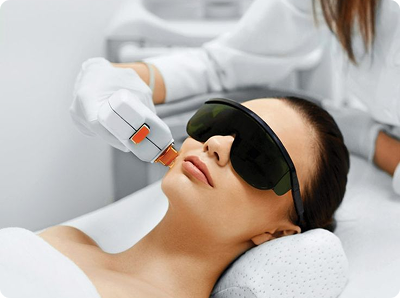
Treatments are available. Some treatmentsnearly remove the scars while others
help the skin heal itself with its own collagen
Clogged pores. Dead skin, oils and bacteria build up in your pores and inflame
them. You might also have a genetic predisposition to acne.
Scars happen because your body is trying to repair the acne. How your unique body
responds to a wound determines if and how much scarring you’ll have. The process
of repair includes the creation of collagen. If there’s too much collagen then the
raised scars appear. Other scarring is caused by the loss of tissue, which creates
pits or indentations in the skin
Scars happen because your body is trying to repair the acne. How your unique body
responds to a wound determines if and how much scarring you’ll have. The process
of repair includes the creation of collagen. If there’s too much collagen then the
raised scars appear. Other scarring is caused by the loss of tissue, which creates
pits or indentations in the skin
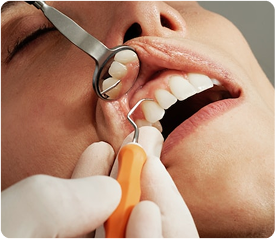
A dermatologist will examine your skin and determine if you have acne scarring and
what type it is.
A visual examination by a dermatologist is enough to determine a diagnosis. Your
dermatologist may also determine how severe your acne scarring is. One
measurement system has four grades of acne scarring: macular, mild, moderate
and severe. Grade one, macular, is a scar that’s red but flat. Grade two, mild, is a
scar that can easily be covered by makeup or facial hair. Grade three, moderate, is
“obvious at a social distance.” It is not as easily covered by makeup or facial hair.
Finally, grade four, severe, is scarring that is very evident at a social distance
greater than 50 centimeters (1.64 feet). It is unlikely that facial hair or makeup will
completely cover up these scars