Acne Treatment

We’re always happy to hear from you! Reach out for consultations, clarifications, or just to learn more about how we can help.

Acne Treatment

Acne scars on the face, chest and back are very common. Some 80% of people between ages 11 and 30 will get acne, and one out of five of those people will develop scars. Reducing the scars requires treatment either over-the-counter medications or one or more procedures performed by a dermatologist.

Overview

An acne lesion (pimple) grows when bacteria, oils and dead skin fill up and inflame pores, the tiny openings in your skin through which oil and sweat rise to the surface. Some 40,000 cells fall off your skin every hour but, sometimes, those dead cells clog up a pore. Sometimes clogged pores are small and result in “whiteheads or blackheads.” Sometimes these pores become inflamed and lead to other types of acne
If you have acne, you’re not alone! Acne is the most common skin condition in the world. About 80% of people between the ages of 11 and 30 will have it. Teenagers get acne thanks to their changing hormones. Adults have stress, the environment, menstrual cycles, oil-based products and birth control pills to blame, although hormones can still play a role.

What are the types of acne and what do

Acne presents as many different forms. Whiteheads and blackheads are typical and tend to heal smoothly more often than not. Then there are the types that can lead to scarring; 9 Papules: Pink to red bumps that hurt when you touch themE 9 Pustules: Pus-filled lesions. They’re red at the base and white or yellow at the topE 9 Nodules: Solid lesions. They’re larger than papules and pustules and can hurt more because they extend deeper into the skinE 9 Cysts: Cysts lie deep within the skin. They’re painful, full of pus and are most likely to scar.

How does acne cause scars?

Your skin is your largest organ. It has three main layers. They are, starting with the outermost, the epidermis, the dermis and the hypodermis. The layers protect your fragile insides from the elements, from UV rays and bacteria, and they also help produce vitamin D thanks to sunlight. Any area with sebaceous glands is prone to acne especially the face, back and chest. Acne scars are the result of inflammation of acne blemishes. The acne pore swells and a breakdown occurs in the wall of the pore. Some acne blemishes are small and the scars created are shallow and heal quickly. Sometimes the contents of blemishes spill into the surrounding tissue and cause deeper scars. The skin’s response is to repair the scar by forming new collagen fibers. Acne scars take on two main forms: either a scar develops when there is a loss of tissue, resulting in an indentation in the surface of the skin; or, a scar develops that is raised on the surface of the skin. This type of acne scar, in fact, is a sign that your skin is doing its job but, perhaps, too well. Your skin creates collagen (“repair tissue”) to help heal the wound the acne but, if it makes too much collagen, raised scars form.Keep in mind that just because you have acne, that doesn’t mean you’ll get scars. And if you do (one in five people with acne will also have scarring), the good news is that not all acne scars are permanent! Treatments are available. Some treatmentsnearly remove the scars while others help the skin heal itself with its own collagen

Symptoms and Causes

What causes acne?

Clogged pores. Dead skin, oils and bacteria build up in your pores and inflame them. You might also have a genetic predisposition to acne.

How does acne cause scars?

Scars happen because your body is trying to repair the acne. How your unique body responds to a wound determines if and how much scarring you’ll have. The process of repair includes the creation of collagen. If there’s too much collagen then the raised scars appear. Other scarring is caused by the loss of tissue, which creates pits or indentations in the skin

Diagnosis and Tests

What causes acne scars?

Scars happen because your body is trying to repair the acne. How your unique body responds to a wound determines if and how much scarring you’ll have. The process of repair includes the creation of collagen. If there’s too much collagen then the raised scars appear. Other scarring is caused by the loss of tissue, which creates pits or indentations in the skin

How are acne scars diagnosed?

A dermatologist will examine your skin and determine if you have acne scarring and what type it is.

Are there any tests performed to diagnose the type of acne scar?

A visual examination by a dermatologist is enough to determine a diagnosis. Your dermatologist may also determine how severe your acne scarring is. One measurement system has four grades of acne scarring: macular, mild, moderate and severe. Grade one, macular, is a scar that’s red but flat. Grade two, mild, is a scar that can easily be covered by makeup or facial hair. Grade three, moderate, is “obvious at a social distance.” It is not as easily covered by makeup or facial hair. Finally, grade four, severe, is scarring that is very evident at a social distance greater than 50 centimeters (1.64 feet). It is unlikely that facial hair or makeup will completely cover up these scars

Expert care starts here.

At Cutis, you’re in safe hands with Dr. B.S. Chandrashekar and our team of specialists. Just fill out the form, and we’ll get in touch to confirm your visit.

BEST ACNE SCAR TREATMENT

Acne scars are stubborn, and no single treatment is best for everyone 9 Acne scars are the most common sequelae of acne vulgaris. It is an aesthetically unpleasant and embarrassing skin conditionE 9 Acne scars are commonly seen after inflammatory acneE 9 Acne scars resulting due to tissue destruction leads to depressed or atrophic scars/pitsE 9 Scars due to excess heads to raised hyper tropic scars.

Types of acne scars:

E Atrophic- includes ice-pick, rolling and boxscarsE E Hypertrophic- includes keloidal scars

Treatment modalities of acne scar treatment:

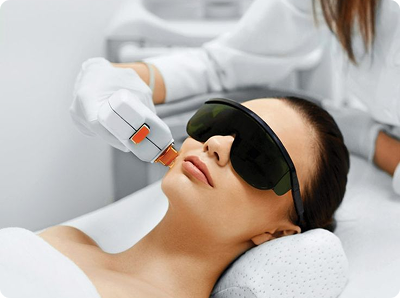
Laser resurfacing- CO2 laser, Er:Yag laser. Treatment of acne scars includes resurfacing techniques such as chemical peels, microdermabrasion and lasers. It also includes dermal fillers, fat fillers, microneedling and Surgical methods as subcision, punch excision, scar revisions and stromal vascular fat transfer.

Being the best hospital for acne treatment in Vijayanagar Bangalore, we provide a variety of treatment modalities i.e both surgical and non surgical treatments.

Other energy- based procedures.

Pulsed light sources and radiofrequency devices help make scars less noticeable without damaging the outer layer of skin

Dermabrasion

Removes the top layer of skin with a rapidly rotating brush or other device. Surface scars may be completely removed.

Chemical peel

Application of a chemical solution to the scar tissue to remove the top layer of skin and minimize the appearance of deeper scars.

Skin needling

Rolling a needle studded device over the skin to stimulate collagen formation in the underlying tissue. It s a safe, simple.

Surgery

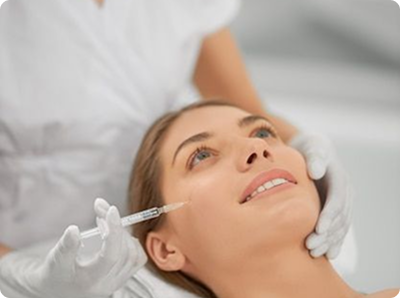
Injecting collagen, fat or other substances like biofillers under the skin can plump the skin over indented scars.

Soft tissue fillers

Injecting collagen, fat or other substances like biofillers under the skin can plump the skin over indented scars.

Best Hospital for Acne Scar Treatment in Bangalore

There are various treatments available to treat acne but the treatment may vary for everyone based on the type of Acne scars. We provide the best acne scar treatment in Bangalore. We have the best dermatologists for acne scar treatment who diagnose and provide the treatment based on the type of acn
We provide the best solutions for acne scars and aesthetic services such as Body Contouring , Botox and Fillers , HIFU, Laser Toning, Gold Toning, Chemical Peels, Facial Rejuvenation, Laser Hair Remova

Cutis Viewpoint

Articles

Care of your Teeth

Lorem ipsum dolor sit amet consectetur.

Easily book an appointment in 3 simple steps.